
The Best Fluffy Pancakes recipe you will fall in love with. Full of tips and tricks to help you make the best pancakes.
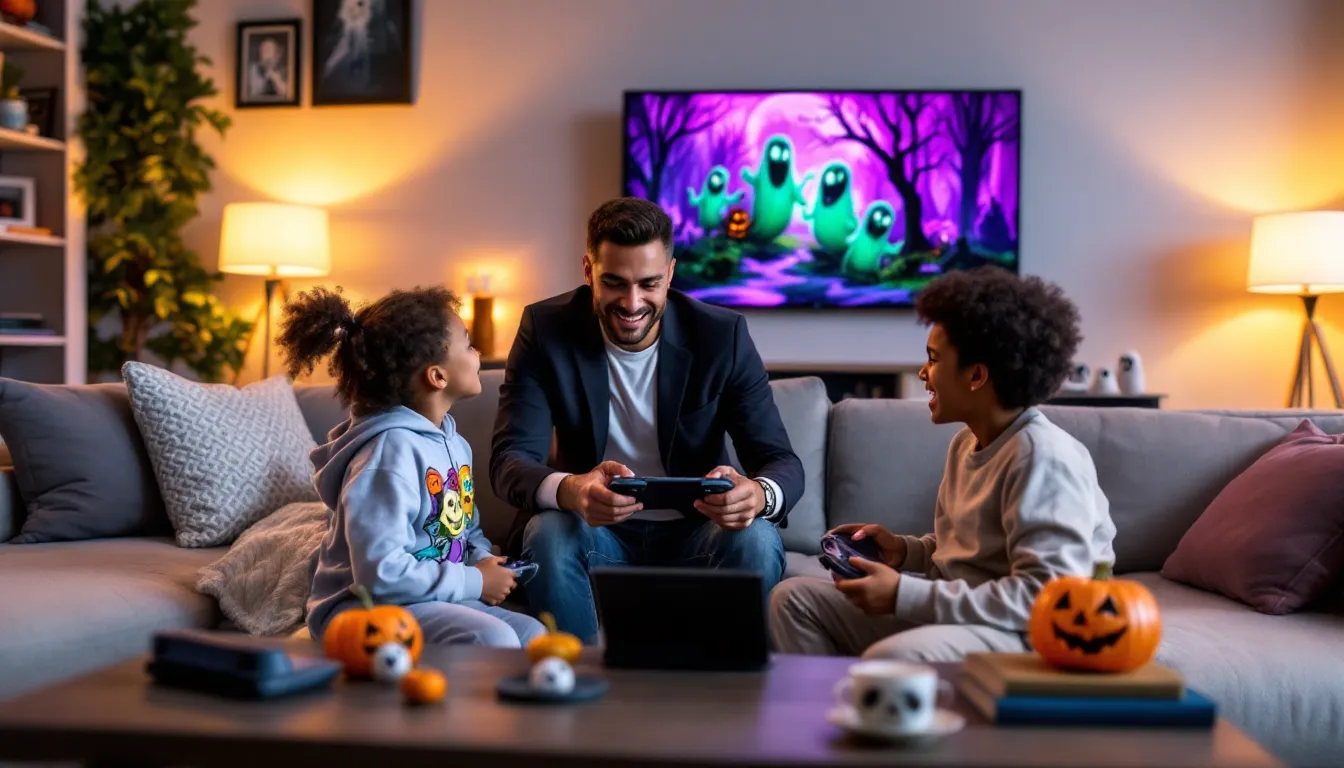
Horror Games for Kids: Age-Appropriate Spooky Adventures That Won’t Cause Nightmares (2026)
Finding the sweet spot between thrills and age-appropriate content is trickier than beating a Dark Souls boss on your first try. Parents want their kids to experience the adrenaline rush of horror games without the trauma of genuine nightmares, while young gamers crave that spooky atmosphere without being scared out of their minds. The good news? The gaming industry has evolved beyond the binary of “cutesy kid games” or “adult survival horror.”
In 2026, developers understand that children can handle suspense, mystery, and mild scares when wrapped in the right packaging. Whether it’s cartoonish ghosts, puzzle-focused tension, or playful monster encounters, there’s a growing library of horror-adjacent titles designed specifically for younger audiences. This guide breaks down the best horror games for different age groups, what makes them kid-friendly, and how parents can ensure their children get just the right amount of spooky fun.
Key Takeaways
- Horror games for kids can build problem-solving skills, emotional resilience, and courage when designed thoughtfully with age-appropriate mechanics and positive narratives.
- Kid-friendly horror games succeed through cartoonish aesthetics, telegraphed jump scares, forgiving difficulty, and pacing that alternates between spooky and safe moments rather than constant dread.
- Top-rated options include Luigi’s Mansion 3 for ages 6-9, Little Nightmares and Bendy for tweens, and Five Nights at Freddy’s or Phasmophobia for early teens, each available on multiple platforms.
- Parents should set consistent playtime limits using built-in parental controls on Switch, PlayStation, Xbox, or PC, disable voice chat with strangers for younger players, and monitor in-game interactions closely.
- Watch for behavioral changes like sleep difficulties or refusing to play as red flags that a horror game is too intense, and use trial periods to gauge individual tolerance before committing to purchases.
Why Horror Games Can Be Great for Kids
Horror games aren’t just about jump scares and gore. When designed thoughtfully, they teach valuable skills that extend beyond gaming.
Problem-solving under pressure is the core mechanic of most horror titles. Kids learn to manage resources, think strategically, and stay calm when the music gets ominous. Games like Luigi’s Mansion force players to explore carefully, observe enemy patterns, and use limited tools creatively, all while maintaining that spooky atmosphere.
Emotional resilience gets a workout too. Controlled exposure to mild fear in a safe environment helps children understand and process anxiety. They learn that scary feelings are temporary and manageable, which translates to real-world confidence. It’s the same principle behind reading scary stories or watching Halloween specials, just interactive.
The narrative depth in kid-friendly horror often surprises parents. These games tackle themes like friendship, courage, overcoming bullies, and facing the unknown. The spooky coating makes these lessons more engaging than straightforward morality tales. Kids remember the time they helped a ghost find peace or defeated the monster through cleverness, not violence.
What Makes a Horror Game Kid-Friendly?
Not all scares are created equal. The difference between a kid-appropriate horror game and one that’ll have them sleeping in your bed for a week comes down to specific design choices.
Age-Appropriate Spook Levels
Cartoon aesthetics are your first line of defense. Games with stylized art, think Tim Burton vibes or Halloween decorations come to life, create distance between the fear and reality. Jump scares should be telegraphed or rare. The best kid-friendly horror builds tension through atmosphere and music rather than sudden screams and gore.
Violence level matters enormously. Kid-appropriate horror replaces blood and dismemberment with puffs of smoke, characters turning into stars, or enemies simply disappearing. The threat exists, but the consequences are fantasy-based. Death mechanics should be forgiving, unlimited lives or quick respawns remove the frustration and reduce stress.
Pacing gives kids breathing room. Games that alternate between spooky sections and safe hubs (like Luigi’s Mansion’s lab or Minecraft’s well-lit bases) let tension release naturally. Constant dread works for adults: kids need those moments to catch their breath and process what’s happening.
Positive Themes and Safe Storytelling
The narrative framework determines whether a horror game leaves kids empowered or anxious. Heroic protagonists who overcome challenges through bravery and smarts send better messages than helpless victims running for their lives. Games where players rescue others, solve mysteries, or restore order provide purpose beyond simple survival.
Clear good-versus-evil dynamics help younger players understand the stakes without moral ambiguity. The ghosts might be spooky, but they’re also sometimes misunderstood or need help. This nuance teaches empathy while maintaining the horror aesthetic.
Humor cuts tension brilliantly. Games that mix spooky elements with jokes, silly character designs, or absurd situations (like fighting zombies with peashooters) keep the mood light. It’s horror with a wink, acknowledging the fun rather than trying to genuinely terrify.
Best Horror Games for Younger Kids (Ages 6-9)
This age group needs their horror with training wheels. The games below deliver spooky vibes without genuine scares, perfect for building confidence with the genre.
Luigi’s Mansion Series
Luigi’s Mansion 3 (2019, still incredibly popular in 2026) remains the gold standard for kid-friendly horror. Luigi’s over-the-top scaredy-cat reactions make fear funny rather than frightening. The Poltergust 3000 vacuum mechanic turns ghost-catching into a satisfying gameplay loop, suck up the ghosts, solve environmental puzzles, explore a haunted hotel.
The game’s difficulty curve is perfect for this age range. Early floors introduce mechanics gently, while later challenges require actual strategy. Co-op mode lets parents play as Gooigi, making it a bonding experience. The cartoonish ghost designs range from silly portrait ghosts to themed boss fights that feel more like puzzle encounters than combat.
Platform availability is exclusively Nintendo Switch, which many parents prefer for younger kids due to built-in parental controls and portable play.
Costume Quest
Double Fine’s Costume Quest (2010) and its sequel nail Halloween atmosphere without any real scares. Kids trick-or-treat through suburban neighborhoods, collecting candy and battling monsters in turn-based RPG combat. The twist? When battles start, costumes transform kids into giant robots, unicorns, or superheroes.
The combat system is simple enough for newcomers to RPGs but has enough depth to stay engaging. Timed button presses during attacks and defenses add interactivity without overwhelming complexity. The story focuses on sibling relationships and friendship, with monsters serving as obstacles rather than sources of terror.
Available on PC, PlayStation, Xbox, and Switch, making it accessible across platforms. The low system requirements mean it runs on basically any PC from the last decade.
Plants vs. Zombies
The original Plants vs. Zombies (2009) and its sequels prove tower defense can be spooky-adjacent. Zombies shamble toward your house while you deploy an arsenal of weaponized plants. The zombies are comedic, dancing zombies, newspaper-reading zombies, dolphin-riding zombies, removing any actual horror while maintaining the undead theme.
The strategic depth here is real. Kids learn resource management (sun collection), positioning, and counter-building against specific enemy types. The difficulty ramps up gradually, and the Adventure Mode provides dozens of hours of content before even touching mini-games or survival modes.
Originally a PC and mobile phenomenon, the series is now available on virtually every platform. The mobile version remains free-to-play (with optional purchases), making it an easy entry point.
Top Horror Games for Tweens (Ages 10-12)
Tweens can handle more atmospheric tension and complex narratives. These games introduce genuine suspense while maintaining guardrails against truly disturbing content.
Little Nightmares Series
Little Nightmares and Little Nightmares II walk a fine line. The art style is hauntingly beautiful, think Coraline or Tim Burton meets Japanese horror. Players control small children navigating grotesque, oversized worlds filled with disturbing creatures. The horror comes from vulnerability and atmosphere rather than gore.
The platforming-puzzle gameplay keeps focus on problem-solving. Players sneak past enemies, solve environmental puzzles, and navigate deadly obstacles. Death happens frequently but respawns are instant, reducing frustration. The unsettling environments and creature designs might be too much for sensitive kids, but most tweens find the challenge rewarding.
Both games are available on PC, PlayStation, Xbox, and Switch. The series has received critical acclaim from gaming news outlets for its artistic direction and tight gameplay. Little Nightmares III, announced for late 2026, promises co-op gameplay for the first time in the series.
Goosebumps: The Game
Based on R.L. Stine’s beloved book series, Goosebumps: The Game (2015) translates that nostalgic 90s horror into point-and-click adventure format. Players encounter monsters from various Goosebumps books, solving puzzles to survive and escape.
The difficulty leans toward the easier side, making it perfect for tweens new to adventure games. The monster designs stay faithful to the source material, creepy but not nightmarish. Fans of the books get the added bonus of recognizing characters and situations, while newcomers enjoy a solid mystery adventure.
Available on PC, PlayStation, Xbox, and Nintendo platforms. The episodic structure means kids can play in chunks without losing narrative thread.
Minecraft in Horror Mode
Vanilla Minecraft isn’t horror, but the modding community has created age-appropriate spooky experiences. Adventure maps like The Orphanage, Herobrine’s Mansion, or various escape room horror maps add tension to familiar mechanics.
The genius here is context familiarity. Kids already comfortable with Minecraft’s controls and systems can explore horror narratives without learning new games. Custom texture packs, ambient sound mods, and clever redstone contraptions create jump scares and atmosphere within a game they already trust.
Parents should preview maps first, as quality and scariness vary wildly. Stick to well-reviewed maps from trusted creators. The community aspect is huge, many game guides and walkthroughs detail the best horror maps updated for current Minecraft versions (1.21+ as of early 2026).
Bendy and the Ink Machine
The complete Bendy and the Ink Machine experience (all five chapters) offers episodic horror with a unique 1930s cartoon aesthetic. Players explore an abandoned animation studio where old cartoon characters have become twisted ink creatures. The black-and-white art style creates distance from realism while maintaining creepiness.
Gameplay mixes exploration, puzzle-solving, and light combat. The story unfolds through audio logs and environmental storytelling, rewarding players who explore thoroughly. Bendy himself and other ink creatures provide jump scares, but the cartoonish designs prevent genuine terror for most tweens.
Available on PC, all major consoles, and even mobile devices. The franchise has expanded significantly, with Bendy and the Dark Revival (2022) offering enhanced graphics and deeper gameplay for players who enjoyed the original.
Horror Games for Early Teens (Ages 13+)
Thirteen-year-olds can generally handle more intense scares and complex psychological horror. These games still avoid extreme gore but don’t pull punches on atmosphere and tension.
Five Nights at Freddy’s Series
Scott Cawthon’s Five Nights at Freddy’s franchise remains massively popular with teens even though launching back in 2014. The core gameplay is deceptively simple: survive five nights as a security guard in a pizza restaurant where animatronic characters hunt you. Limited power, security cameras, and door controls create intense resource management under pressure.
The jump scares are the selling point, loud, sudden, and genuinely startling. But there’s no blood, no graphic violence, just animatronic characters screaming into the camera. The lore has expanded into a complex, mysterious narrative that teens obsess over, with theories, hidden secrets, and storytelling spread across multiple games, books, and now a major film.
FNAF: Security Breach (2021, with ongoing DLC in 2026) shifted to free-roam gameplay in a massive mall setting, adding exploration and stealth elements. The series is available on PC, PlayStation, Xbox, and mobile platforms. The difficulty can be brutal, some nights require perfect execution, but that’s part of the appeal for competitive teens.
Phasmophobia (With Parental Guidance)
Phasmophobia requires a significant caveat: it’s best experienced with parental involvement or at least awareness. This co-op ghost-hunting simulator tasks players with entering haunted locations, gathering evidence, and identifying ghost types.
The VR compatibility amps up the scare factor considerably, playing in VR might be too intense for some 13-year-olds. Desktop mode is less overwhelming but still tense. The proximity voice chat mechanic means ghosts respond to players’ actual voices, creating emergent horror moments. The social aspect makes it less scary, hunting ghosts with friends diffuses tension through camaraderie and inevitable chaos.
Regular updates through 2026 have added new ghost types, locations, and equipment. The PC (Steam) version is most popular, though console ports exist for Xbox and PlayStation. The game requires online play, so parental monitoring of voice chat is essential.
Oxenfree
Night School Studio’s Oxenfree (2016) proves psychological horror can be dialogue-driven and subtle. A group of teens on an island accidentally open a ghostly rift, and players navigate conversations and choices that determine relationships and outcomes.
The horror here is atmospheric, radio static, time loops, mysterious voices, and reality warping. There are no jump scares or combat. Instead, the game creates unease through excellent voice acting, eerie sound design, and the creeping realization that something is very wrong. The themes tackle grief, friendship, and consequences in mature ways appropriate for teens.
The dialogue system runs in real-time, conversations continue while walking, and staying silent is itself a choice. Multiple endings and New Game+ modes encourage replays. Available on everything from PC and all major consoles to mobile platforms, with Oxenfree II: Lost Signals (2023) providing a sequel that maintains the quality.
Critical reception from industry coverage consistently praised the writing and atmosphere, making it perfect for teens interested in narrative-driven experiences.
Platform Availability: Where to Play These Games
Choosing the right platform depends on existing hardware, budget, and parental control preferences. Most kid-friendly horror games are multi-platform, but some platforms offer distinct advantages.
PC and Steam Options
PC gaming through Steam provides the largest library of horror games across all age ranges. The platform’s user review system helps parents gauge appropriateness, sort by recent reviews to see if patches have changed content or difficulty.
Steam’s Family View feature lets parents restrict game access, playtime, and purchases using a PIN. The frequent sales mean games like Bendy, Costume Quest, or indie horror titles often drop to $5-10. System requirements vary wildly, but most kid-friendly horror runs on modest hardware.
The downside? PC gaming offers less built-in supervision than consoles. Kids can access browsers, chat programs, and unrestricted internet. Active parental involvement matters more here.
Console Gaming (Nintendo Switch, PlayStation, Xbox)
Nintendo Switch is the go-to platform for younger kids (6-9). Luigi’s Mansion 3 is system-exclusive, and the portable nature means gaming happens in shared spaces rather than isolated rooms. Nintendo’s parental controls app (iOS/Android) lets parents monitor playtime, set limits, and restrict features remotely.
PlayStation 5 and Xbox Series X/S offer more power for graphically demanding titles like Little Nightmares. Both ecosystems have robust parental control systems built into account management. PlayStation’s Play Time Controls and Xbox’s Family Settings app provide granular control over screen time, spending, and online interactions.
The Xbox Game Pass subscription is worth mentioning, many horror-adjacent games rotate through the service, letting families trial games before committing to purchases. As of March 2026, the library includes several Goosebumps titles and various indie horror games suitable for tweens.
Mobile Horror Games for Kids
Mobile horror is a mixed bag. Ports of Plants vs. Zombies, Bendy, and Five Nights at Freddy’s work surprisingly well on tablets and phones. Touch controls can be finicky for action-heavy games, but puzzle and strategy-focused horror translates smoothly.
The free-to-play model dominates mobile, which brings microtransaction concerns. Games like Granny or Eyes: The Horror Game are free but include ads and purchase prompts. Read reviews carefully and test games yourself before handing them to kids.
Apple’s Screen Time and Google’s Family Link provide app restrictions, time limits, and purchase controls. The advantage of mobile is accessibility, most kids already have devices. The disadvantage is smaller screens and less immersive experiences compared to console or PC gaming.
Parental Controls and Safety Tips
Technical controls matter, but they work best combined with open communication and active involvement in kids’ gaming lives.
Setting Up Gaming Time Limits
Every major platform includes time management tools now. Nintendo Switch parental controls let you set daily play limits, bedtime restrictions, and even suspend software remotely when time’s up. The app sends smartphone notifications showing exactly what kids played and for how long.
PlayStation’s Play Time Controls (introduced in PS5’s 2024 system update, refined through 2026) allow scheduling down to 15-minute increments per day. You can block gaming during assignments hours or after bedtime automatically. Xbox’s equivalent, Screen Time, integrates with Microsoft Family Safety across all Windows devices.
The key is consistency. Arbitrary changes to time limits breed resentment. Involve kids in setting reasonable schedules, maybe 90 minutes on school nights, more on weekends, with flexibility for special occasions. Horror games’ episodic nature (like FNAF’s night-based structure) makes natural stopping points easier to enforce.
Monitoring In-Game Interactions and Online Play
Multiplayer horror games introduce social risks beyond scary content. Phasmophobia, Minecraft horror servers, and any game with voice chat can expose kids to inappropriate language or behavior from strangers.
Disable voice chat with strangers entirely for younger kids. Both PlayStation and Xbox let you restrict communication to friends-only or turn it off completely. For PC gaming, this requires in-game settings since Steam doesn’t universally control voice chat.
Play together when possible, especially during early sessions. Co-op games like Luigi’s Mansion 3 or Phasmophobia become bonding experiences while letting you monitor interactions naturally. You’ll also gauge whether your specific child handles the scares well or gets overwhelmed.
Friend list auditing matters. Periodically review who your kids play with. Are these school friends? How did they meet online contacts? Setting the precedent that gaming is a shared household interest rather than a private activity makes these conversations normal rather than invasive.
How to Tell If a Game Is Too Scary for Your Child
Age ratings provide baselines, but individual kids vary enormously in their tolerance for scary content. A game perfect for one 10-year-old might give nightmares to another.
Watch for behavioral changes. If your kid suddenly refuses to play a game they were excited about, doesn’t want to be alone, or has new sleep difficulties, the game might be too intense. Don’t push through, there’s no benefit to forcing horror exposure before they’re ready.
The ESRB rating system offers guidance but errs conservative. Games rated E10+ like Luigi’s Mansion 3 list “mild cartoon violence” and “comic mischief.” That’s accurate but tells you nothing about whether your specific child will find it scary. User reviews from parents on platforms like Common Sense Media provide better real-world context.
Trial runs work brilliantly. Watch your child play the first 30-60 minutes. Are they laughing and engaged, or tense and jumpy? Some adrenaline is good, that’s the fun of horror, but genuine distress is a red flag. The beauty of digital games is you can refund most purchases within narrow windows (Steam’s 2-hour/14-day policy, for example) if a game proves too much.
Trust your kid’s self-assessment but verify. Some children want to seem brave and push through games that genuinely scare them. Others exaggerate scariness to avoid challenging gameplay. Open-ended questions work better than yes/no: “What’s your favorite part so far?” “Which enemy is hardest to beat?” Their enthusiasm (or lack thereof) tells the real story.
Genre tolerance doesn’t always transfer. A kid fine with spooky aesthetics might hate jump scares. Another handles sudden frights but gets anxious with sustained tension. Bendy and the Ink Machine’s atmospheric dread feels very different from FNAF’s sudden animatronic attacks, even though both target similar age groups.
The goal isn’t shielding kids from all scary content, it’s calibrating the experience so they feel challenged but capable, startled but not traumatized. When done right, horror games build confidence and create memories. When misjudged, they just create bedtime problems nobody wants.
Conclusion
Horror games for kids aren’t a contradiction, they’re a genre that’s matured alongside gaming itself. From Luigi’s cartoonish ghost-catching to Oxenfree’s psychological storytelling, developers have proven that spooky doesn’t have to mean inappropriate.
The sweet spot exists at the intersection of age-appropriate mechanics, positive themes, and just enough tension to feel exciting. Whether your six-year-old is ready for their first haunted mansion or your thirteen-year-old wants to hunt ghosts with friends, options exist across every platform and skill level.
Start conservatively, watch how your kid responds, and adjust from there. The best horror game for your child is the one that leaves them excited to play again tomorrow, not the one keeping them up tonight. With the right choices and involved parenting, horror games become another tool for building resilience, problem-solving skills, and shared gaming memories that last well beyond the jump scares.