
The Best Fluffy Pancakes recipe you will fall in love with. Full of tips and tricks to help you make the best pancakes.
Survival Horror Games PS4: The Ultimate Guide to Heart-Pounding Terror in 2026
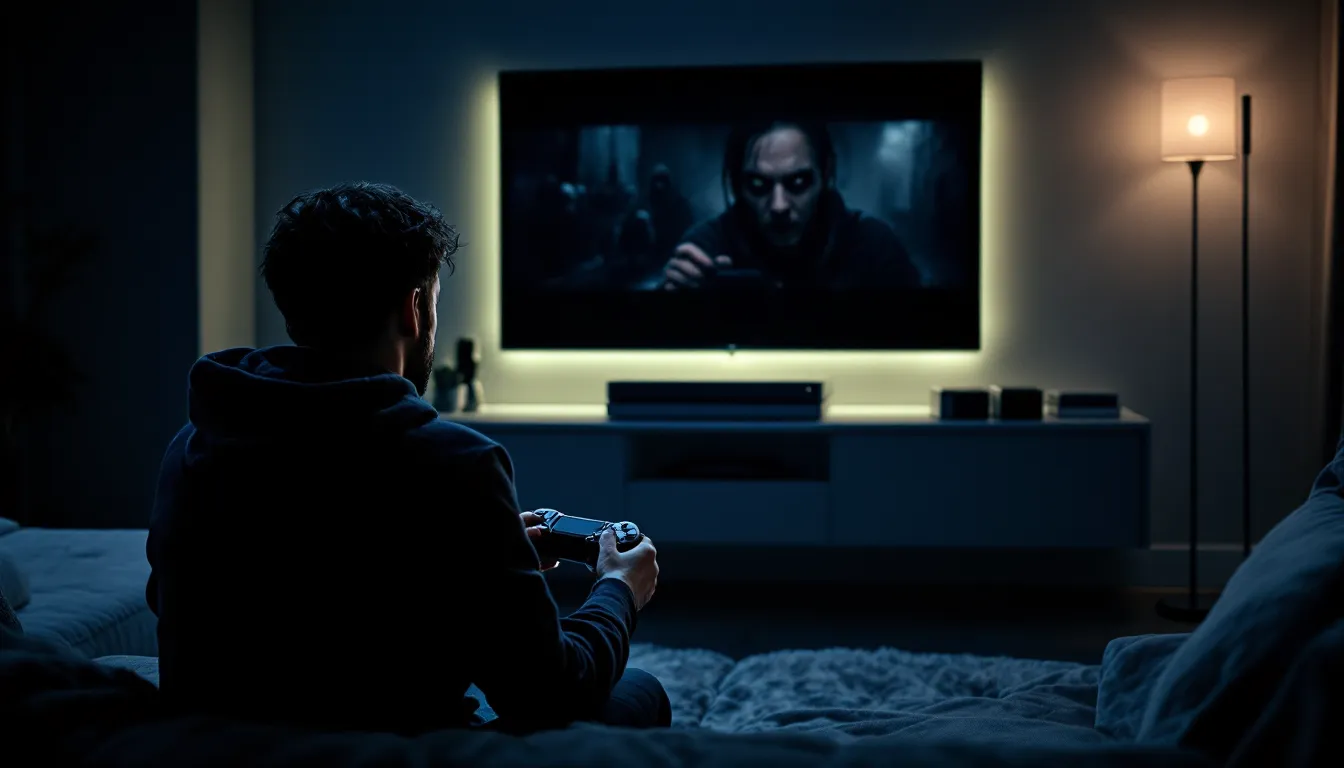
The PS4 generation solidified Sony’s reputation as the go-to platform for horror fans. Between 2013 and well into 2026, the console delivered an arsenal of survival horror experiences that ranged from blockbuster franchises to indie nightmares that kept players awake long after the credits rolled. Whether you’re looking for resource-scarce tension, psychological dread, or creature-feature terror, the PS4’s library holds something that’ll make you question why you’re playing at 2 AM with the lights off.
This guide breaks down the essentials: what defines survival horror on PS4, which titles deserve your time, and how to navigate the genre whether you’re a seasoned horror vet or someone who’s never had to decide between shooting the monster or running like hell. Let’s jump into the darkness.
Key Takeaways
- Survival horror games on PS4 prioritize resource scarcity, vulnerability, and atmospheric tension over action, forcing players to make strategic decisions about limited ammo, health items, and escape routes.
- Resident Evil 2 Remake, The Last of Us series, and Alien: Isolation set the gold standard for PS4 survival horror by balancing modernized mechanics with the genre’s core philosophy of making players feel underpowered.
- Successful survival horror games leverage audio design, lighting systems, and environmental storytelling to build psychological dread—jump scares work best when earned through sustained tension rather than cheap surprises.
- The PS4 library offers distinct survival horror experiences for different playstyles, from action-heavy titles like RE2 to pure stealth games like Outlast, and psychological horror like Soma for players seeking conceptual fear.
- PS VR transforms survival horror into uniquely intense experiences through immersion and presence, with Resident Evil 7 VR exemplifying how virtual reality amplifies fear responses that flatscreen games cannot match.
What Makes Survival Horror Games Stand Out on PS4
Defining Features of the Survival Horror Genre
Survival horror isn’t just about jump scares and creepy hallways. The genre thrives on resource scarcity, vulnerability, and atmospheric tension that keeps players on edge. You’re rarely the power fantasy hero, ammo is limited, health items are precious, and running is often smarter than fighting.
Core mechanics include inventory management, environmental puzzle-solving, and deliberate pacing that prioritizes dread over action. Unlike action-horror games where you mow down enemies, survival horror forces tough decisions: use that last health pack now or save it for what’s ahead? Shoot the shambling creature or sneak past and conserve bullets?
The genre leans heavily on audio design and visual atmosphere. Footsteps echoing behind you, distant growls, flickering lights, these elements create psychological tension that’s often more effective than showing the monster. When the threat finally appears, the payoff hits harder because the game earned it.
Why PS4 Became a Haven for Horror Gaming
The PS4’s hardware sweet spot arrived at the perfect time for horror developers. The DualShock 4’s built-in speaker added immersive audio cues, hearing a character’s voice crackle through the controller while surrounded by surround sound created layered terror. The touchpad, though underutilized in most genres, found creative applications in horror titles for inventory navigation and environmental interaction.
Sony actively courted horror experiences through PlayStation exclusivity deals and indie partnerships. The result was a library that spanned AAA juggernauts like Resident Evil 2 Remake to experimental indies like Soma. Cross-play with PS VR opened an entirely new dimension of horror for those brave enough to strap on a headset.
The console’s install base (over 117 million units sold by 2026) gave developers confidence to take risks. Horror games, historically niche, found mainstream audiences on PS4. Streaming culture amplified this, watching streamers panic through Outlast or debate choices in Until Dawn drove game sales and kept the genre relevant throughout the console’s lifecycle.
The Best Survival Horror Games Available on PS4
Resident Evil Series: Classic Terror Reimagined
Capcom’s Resident Evil 2 Remake (2019) set a new standard for how to modernize survival horror. Built on the RE Engine, it transformed the 1998 classic into a third-person over-the-shoulder experience that balanced action and resource tension perfectly. Leon and Claire’s campaigns through Raccoon City Police Department feel fresh even for veterans, enemy placement changed, puzzles were redesigned, and Mr. X’s relentless pursuit became genuinely terrifying.
Resident Evil 7: Biohazard (2017) switched to first-person and nailed the return to horror roots after the action-heavy RE5 and RE6. The Baker family mansion in Louisiana drips with atmosphere, and VR support made it one of the most intense horror experiences available. Critical reception reflected this shift, the game holds strong ratings across major review aggregators for its focused horror design.
Resident Evil 3 Remake (2020) arrived as a more action-oriented counterpart to RE2, with Nemesis as a persistent threat. While shorter and more linear, Jill’s escape from Raccoon City delivers intense set pieces and refined combat mechanics. The asymmetrical multiplayer mode Resistance added replayability, though the single-player campaign remained the highlight.
The Last of Us Series: Emotional Horror Storytelling
Naughty Dog’s The Last of Us Remastered brought the PS3 masterpiece to PS4 with 60fps performance and enhanced visuals. Joel and Ellie’s journey through fungal-infected America blends survival horror with emotional narrative weight rarely seen in games. Clickers, blind infected that hunt by echolocation, remain one of horror gaming’s most effective enemy designs. Their distinctive clicking sounds create instant tension.
The Last of Us Part II (2020) expanded the formula with more refined stealth mechanics, brutal melee combat, and dual protagonists whose stories intersect in devastating ways. The game pushes PS4 hardware to its limits with detailed environments and animation fidelity. Resource management remains crucial on higher difficulties, where every bullet and crafting material matters.
Both games excel at environmental storytelling. Abandoned buildings tell stories through notes, environmental details, and audio logs. The infected are horrifying, but human enemies often pose greater threats, and moral complexity.
Until Dawn: Choice-Driven Horror Experience
Supermassive Games’ Until Dawn (2015) plays like an interactive horror movie where your decisions determine who survives until dawn. Eight teenagers trapped on a remote mountain must navigate a night of terror, and the butterfly effect system tracks hundreds of choices that ripple through the story.
The game nails horror movie tropes while subverting them. Performances from actors like Rami Malek and Hayden Panettiere sell the terror through facial capture technology that was cutting-edge for 2015. Quick-time events and Don’t Move prompts (using the DualShock 4’s motion sensor) keep you engaged during cutscenes.
Multiple endings and branching paths encourage replays to save different characters or explore alternate scenarios. The totem collectibles provide glimpses of possible futures, death omens that add strategic layer to decision-making. It’s perfect for group play, debating choices between deaths.
Outlast Series: First-Person Psychological Terror
Red Barrels’ Outlast (2014 on PS4) stripped survival horror to its core: you have no weapons, only a camcorder with night vision that drains batteries fast. Navigating Mount Massive Asylum’s darkness while hiding from deranged inmates creates pure, distilled terror. The found-footage aesthetic and investigative journalist protagonist frame the horror documentary-style.
Outlast 2 (2017) moved the action to rural Arizona cult territory, trading the asylum’s confined corridors for open environments that somehow feel just as claustrophobic. The religious horror themes and oppressive atmosphere divide players, it’s relentlessly bleak, with less exploration and more chase sequences than the original.
Outlast: Whistleblower, the DLC for the first game, fills in story gaps and might be scarier than the main campaign. The runtime is shorter, but the intensity never lets up. Both games benefit from excellent headphone audio, directional sound is crucial for tracking threats you can’t see.
Alien: Isolation: Stealth Horror at Its Finest
Creative Assembly’s Alien: Isolation (2014) finally delivered the Alien game fans deserved. Playing as Amanda Ripley, Ellen’s daughter, you navigate Sevastopol Station stalked by a single xenomorph that can’t be killed, only avoided. The alien’s AI behavior remains impressive in 2026: it learns from your tactics, forcing you to adapt hiding spots and movement patterns.
The game captures the aesthetic of Ridley Scott’s 1979 film perfectly: chunky retro-future technology, dimly lit corridors, and constant environmental hazards beyond the alien. Working Joes, malfunctioning androids, provide secondary threats, and human survivors aren’t always friendly. Resource crafting lets you build noisemakers, EMP mines, and molotovs for brief moments of reprieve.
Hardcore mode removes HUD elements including the motion tracker, forcing you to rely purely on sound design and visual cues. The 20+ hour campaign can feel long, but the sustained tension creates genuine relief when you finally reach safety zones. It’s essential playing for horror fans and Alien franchise enthusiasts alike.
Hidden Gems and Underrated Survival Horror Titles
Soma: Philosophical Deep-Sea Horror
Frictional Games’ Soma (2015) might be the smartest horror game on PS4. Set in an underwater research facility after an apocalyptic event, it poses questions about consciousness, identity, and what it means to be human. The sci-fi horror atmosphere builds dread through isolation and existential terror rather than constant monster encounters.
The creatures you encounter are disturbing because of what they represent, corrupted humans fused with machines, their humanity distorted. A Safe Mode added post-launch removes death mechanics for players who want to experience the story without stealth gameplay, acknowledging that Soma’s narrative is its true strength.
Environmental storytelling reaches peak effectiveness here. Audio logs, computer terminals, and environmental details paint a picture of PATHOS-II facility’s descent into nightmare. The ending delivers one of gaming’s most thought-provoking conclusions, one that’ll have you discussing implications long after finishing.
Layers of Fear: Psychological Art-Inspired Terror
Bloober Team’s Layers of Fear (2016) trades combat for pure psychological horror. Playing as a painter descending into madness while completing his masterpiece, you navigate a Victorian mansion that shifts and changes as you move through it. Rooms rearrange, hallways extend impossibly, and the architecture itself becomes hostile.
The game leans heavily on jump scares, which won’t appeal to everyone, but the art-focused narrative and shifting environments create memorable moments. Examining paintings and objects reveals story fragments about the painter’s tragic past. Multiple endings depend on how you interact with family memories throughout the house.
Layers of Fear 2 (2019) moved the setting to an ocean liner and improved gameplay variety while maintaining the psychological horror focus. Both games showcase excellent use of lighting and sound design even though modest budgets. They’re short experiences (3-4 hours each) perfect for a single evening of atmospheric horror.
The Evil Within Series: Twisted Nightmares Unleashed
Directed by Resident Evil creator Shinji Mikami, The Evil Within (2014) launched with divisive reception. The aspect ratio letterboxing, performance issues, and uneven difficulty frustrated players, but underneath was a deliberately surreal horror experience. Detective Sebastian Castellanos navigates nightmare worlds that shift without warning, facing grotesque enemies and environmental hazards.
Patches addressed technical problems, and the The Assignment and The Consequence DLC expanded the story through Juli Kidman’s perspective with stealth-focused gameplay. The game rewards exploration with upgrade materials and newspaper collectibles that clarify the intentionally confusing plot.
The Evil Within 2 (2017) refined everything: semi-open hub areas in Union town, improved stealth and combat options, better performance, and clearer storytelling. Sebastian’s search for his daughter through STEM, the machine creating these nightmare worlds, provides emotional stakes. Resource crafting and customizable skill trees add depth to gameplay. According to reviews on PlayStation-focused sites, the sequel addressed most criticisms while maintaining Mikami’s signature disturbing creature design.
Essential Gameplay Mechanics and Survival Strategies
Resource Management and Conservation
Survival horror lives or dies on resource tension. Here’s how to maximize your supplies:
Inventory planning matters more than twitch reflexes. Organize items logically, healing items together, ammo types grouped, key items separate. Some games like Resident Evil use limited inventory grids: knowing what to carry versus store in safe rooms is crucial.
Ammo conservation starts with aiming for headshots or weak points that maximize damage per bullet. Learn enemy patterns to determine when shooting is necessary versus wasteful. Shotguns excel against single tough enemies: handguns work for basic threats: save explosive or special ammo for bosses.
Healing item timing separates efficient players from those who restart from the last save. Don’t heal at 60% health if you’re near a safe room. Use weaker healing items first, saving full heals for emergencies. Some games let you combine herbs or items for stronger effects, experiment to learn optimal combinations.
Crafting materials should be collected obsessively. Check every drawer, cabinet, and corpse. Many games hide upgrade materials or rare components in optional areas that reward thorough exploration. Prioritize crafting ammo for your most-used weapons and utility items like lockpicks or distraction tools.
Mastering Combat Versus Evasion Tactics
Knowing when to fight versus flee defines survival horror competency. Combat scenarios where fighting is optimal:
- Enemies blocking narrow corridors you must pass through
- Creatures guarding items or keys required for progression
- Boss encounters or scripted fights where fleeing isn’t possible
- Situations where you’re well-stocked and enemies drop valuable resources
Use environmental hazards when available, explosive barrels, electrical panels, or traps that conserve your ammunition. Melee attacks work as finishers on downed enemies rather than primary damage tools.
Evasion tactics become essential when resources run low:
- Sprint past enemies in open areas, accepting minor damage to conserve ammo
- Use hiding spots (lockers, under beds, in closets) during patrol patterns
- Create distractions with thrown objects or noisemakers, then slip past
- Memorize enemy placement on subsequent playthroughs to plan optimal routes
Games like Alien: Isolation and Outlast force pure evasion since you can’t kill primary threats. Master the crouch-walk speed that balances stealth with progress, too slow wastes time, too fast creates noise.
Environmental Awareness and Puzzle Solving
Map awareness prevents wasted backtracking. Study layouts, note locked doors, and mentally mark areas requiring specific keys or items. Most survival horror games feature interconnected level design where shortcuts unlock as you progress, finding these saves time and health.
Puzzle solutions typically draw from environmental clues rather than arbitrary moon logic. Examine notes, paintings, and object descriptions for hints. Common puzzle types:
- Lock combinations hidden in documents or environmental details
- Item placement puzzles requiring specific orders or arrangements
- Environmental manipulation (rotating statues, redirecting power, aligning symbols)
- Inventory combination puzzles where items merge to create solutions
When stuck, re-read recent documents or re-examine the room systematically. Developers usually place puzzle clues within the same area or recent story content.
Audio cues provide critical information. Learn to distinguish between ambient sounds and danger indicators. Footsteps, breathing, or growls signal enemy proximity. Environmental sounds like creaking floors or rustling can indicate hidden paths or interactive objects. Play with quality headphones to catch directional audio that identifies threat locations.
How to Choose the Right Survival Horror Game for Your Playstyle
Action-Heavy Horror Versus Pure Survival
Action-horror titles provide more combat tools and frequent confrontations:
- Resident Evil 2/3 Remakes: Balanced mix where you fight regularly but resources remain tight
- The Last of Us series: Refined combat mechanics alongside stealth options
- The Evil Within 2: Customizable upgrades that let you build toward combat or stealth
These games let you fight back effectively, rewarding good aim and tactical thinking. Difficulty options typically adjust enemy damage and resource availability, letting you tune challenge to preference.
Pure survival experiences minimize or eliminate combat:
- Outlast series: Zero weapons, pure hide-and-seek with inhuman threats
- Alien: Isolation: Limited tools against an unkillable enemy
- Soma (without Safe Mode): Avoidance-focused encounters with philosophical horror
This style emphasizes vulnerability and resource management. You’re constantly underpowered, which intensifies fear but can frustrate players who prefer agency. These games require patience and careful observation over quick reflexes.
If you enjoy third-person shooters and want horror elements, start with Resident Evil or Last of Us. If you prefer stealth games and tension over action, Alien: Isolation or Outlast will satisfy. Match the game’s mechanical focus to genres you already enjoy.
Psychological Horror Versus Monster-Focused Games
Psychological horror weaponizes atmosphere, uncertainty, and disturbing themes:
- Soma: Existential dread about consciousness and identity
- Layers of Fear: Artistic madness and domestic tragedy
- Until Dawn: Human psychology, moral choices, and slasher movie tension
These games work through implications and environmental storytelling. Jump scares appear less frequently: instead, they build pervasive unease. Monsters may be rare or absent entirely. The horror comes from questions posed and situations explored.
Monster-focused horror delivers tangible threats and creature encounters:
- Resident Evil series: Zombies, bio-weapons, and grotesque mutations
- Outlast: Deranged human enemies and body horror
- Alien: Isolation: The xenomorph as perfect predator
You’ll see the threats clearly and understand the danger immediately. These games work through confrontation and survival against overwhelming odds. The monsters’ design and behavior create the fear factor.
Many games blend both approaches, The Last of Us uses infected creatures but builds psychological horror through its world and human enemies. Consider what makes you uncomfortable: conceptual horror that lingers in your mind, or immediate threats that create adrenaline-fueled tension. Both are valid preferences that PS4’s library accommodates.
Technical Performance and Visual Atmosphere on PS4
Graphics and Sound Design That Elevate Fear
Survival horror demands more from presentation than most genres. Lighting systems create the foundation, dynamic shadows that might hide threats, flickering lights that create uncertainty, and pitch-black areas where your flashlight or night vision becomes lifeline. Games like Resident Evil 2 Remake use real-time lighting that casts moving shadows as you explore, making familiar rooms feel different from new angles.
Texture detail sells environmental storytelling. Blood spatters, decay patterns, and destruction details communicate what happened before you arrived. The Evil Within 2’s Union town showcases this, examining houses reveals how residents died or fled, told through environmental damage and item placement.
Sound design matters more in horror than any other genre. Layered audio creates three-dimensional threat awareness:
- Ambient soundscapes: Wind, dripping water, distant machinery establish atmosphere
- Enemy-specific audio: Each threat type has distinctive sounds for identification
- Environmental feedback: Footsteps on different surfaces, door creaks, glass crunching
- Musical cues: Dynamic soundtracks that swell during danger and fade during safety
The DualShock 4 speaker adds immersive touches, radio chatter, flashlight clicks, or character breathing emanating from the controller while surround sound handles environmental audio. It’s subtle but effective for breaking the fourth wall between player and game.
PS4 Pro Enhancements for Horror Gaming
The PS4 Pro launched in November 2016, offering performance modes for enhanced horror experiences. Benefits vary by title:
Resolution upgrades to 1440p or 4K (checkerboard rendering) improve visual clarity in games like The Last of Us Part II, where distant threats become visible earlier and environmental details sharpen. Text and UI elements look cleaner on compatible displays.
Performance modes prioritize frame rate, offering 60fps in titles that ran at 30fps on base PS4. Resident Evil 2 and The Evil Within 2 benefit significantly, smoother camera movement during tense encounters improves reaction time and reduces motion sickness in first-person horror games.
Enhanced lighting and shadows appear in Pro-patched games. More detailed shadow casting and improved ambient occlusion create deeper atmosphere. Alien: Isolation’s already-excellent lighting sees subtle improvements in shadow quality.
Faster loading times from Pro’s upgraded hardware reduce deaths-to-retry delays, maintaining tension instead of breaking immersion. This matters most in games with frequent deaths like Outlast.
Not every horror game received Pro support, but major titles did. Reviews on sites like GameSpot often detail which enhancement modes games offer and their visual impact. For the definitive PS4 horror experience in 2026, Pro provides measurable improvements, though base PS4 remains perfectly capable for the entire library.
The Evolution of Survival Horror on PlayStation
From PS1 Classics to PS4 Masterpieces
PlayStation built its horror reputation on PS1 with Resident Evil (1996) and Silent Hill (1999), establishing the survival horror template: fixed camera angles, tank controls, resource scarcity, and puzzle-focused progression. These technical limitations became design strengths, restricted camera views created uncertainty about what lurked off-screen.
PS2 expanded the formula with improved graphics and more ambitious scope. Resident Evil 4 (2005, initially GameCube, later PS2) revolutionized the genre by switching to over-the-shoulder perspective and more action-oriented combat. This influenced a generation of horror games that followed.
PS3’s technical leap allowed for better AI, larger environments, and cinematic presentation. Dead Space and The Last of Us showcased what HD horror could achieve. But, the generation saw survival horror pivot toward action-horror, larger enemy counts, more ammunition, and reduced tension in favor of spectacle.
PS4 marked survival horror’s renaissance. Developers rediscovered what made the genre compelling: vulnerability, resource tension, and atmospheric dread. The Resident Evil 2 Remake proved that modern technology could enhance classic horror design rather than replace it with action. Indies like Outlast and Soma explored psychological horror with smaller budgets but focused visions.
The circle completed, PS4 offered both classic-style survival horror and new experimental approaches. Tank controls disappeared, but resource scarcity and vulnerability remained core. Modern quality-of-life improvements (auto-saves, objective markers, difficulty options) made the genre more accessible without sacrificing challenge for those who wanted it.
VR Horror Experiences on PS4
PlayStation VR (launched October 2016) opened new horror possibilities through presence and immersion that flatscreen games can’t match. When something lunges at you in VR, your instinct is to physically flinch, your brain accepts the threat as real in ways traditional gaming never achieved.
Resident Evil 7 supports full VR playthrough, making it one of the most complete VR horror experiences available. Walking through the Baker mansion in first-person VR transforms familiar horror into something far more intense. The spatial audio and 1:1 head tracking mean you’re constantly looking over your shoulder, checking dark corners.
Until Dawn: Rush of Blood reimagines the Until Dawn universe as a VR rail shooter with horror carnival themes. It’s more action-focused than the original but showcases PS VR’s capabilities with jump scares that exploit your peripheral vision.
Here They Lie offers surreal psychological horror through warped environments and disturbing imagery. The free movement (not rail-based) requires VR tolerance but delivers unsettling atmosphere.
The Persistence combines roguelike structure with sci-fi horror on a derelict spaceship. Procedurally generated levels and permadeath create different playthroughs, while VR immersion maintains tension.
VR horror isn’t for everyone, the intensity can be overwhelming, and some players experience motion sickness in first-person VR games. But for those who can handle it, PS VR delivered horror experiences unlike anything flatscreen gaming offers. The tactile feedback of reaching for items, physically turning to check threats, and the scale of creatures towering over you create primal fear responses that justify the technology’s existence.
Conclusion
The PS4’s survival horror library stands as one of the console’s defining strengths. From AAA remakes that modernized classics to indie experiments that pushed narrative boundaries, the platform offered something for every horror preference. Whether you want combat-heavy action-horror, pure stealth terror, psychological unease, or creature-focused survival, the catalog delivers.
Resource management, atmospheric tension, and vulnerability remain the genre’s core even as technology improves presentation. The best survival horror games make you feel underpowered and uncertain, that discomfort is the point. It’s what separates horror from action games with scary aesthetics.
For newcomers, start with Resident Evil 2 Remake or The Last of Us Remastered, both balance horror with accessibility. Veterans seeking fresh challenges should explore Alien: Isolation’s Nightmare difficulty or try Soma for something conceptually different. And if you own PS VR and can handle the intensity, Resident Evil 7 in VR remains a landmark experience.
The PS4 generation proved survival horror never died, it just needed developers willing to embrace what made the genre special. Whether you’re revisiting these games in 2026 or discovering them for the first time, turn off the lights, put on quality headphones, and prepare for some sleepless nights.