
The Best Fluffy Pancakes recipe you will fall in love with. Full of tips and tricks to help you make the best pancakes.
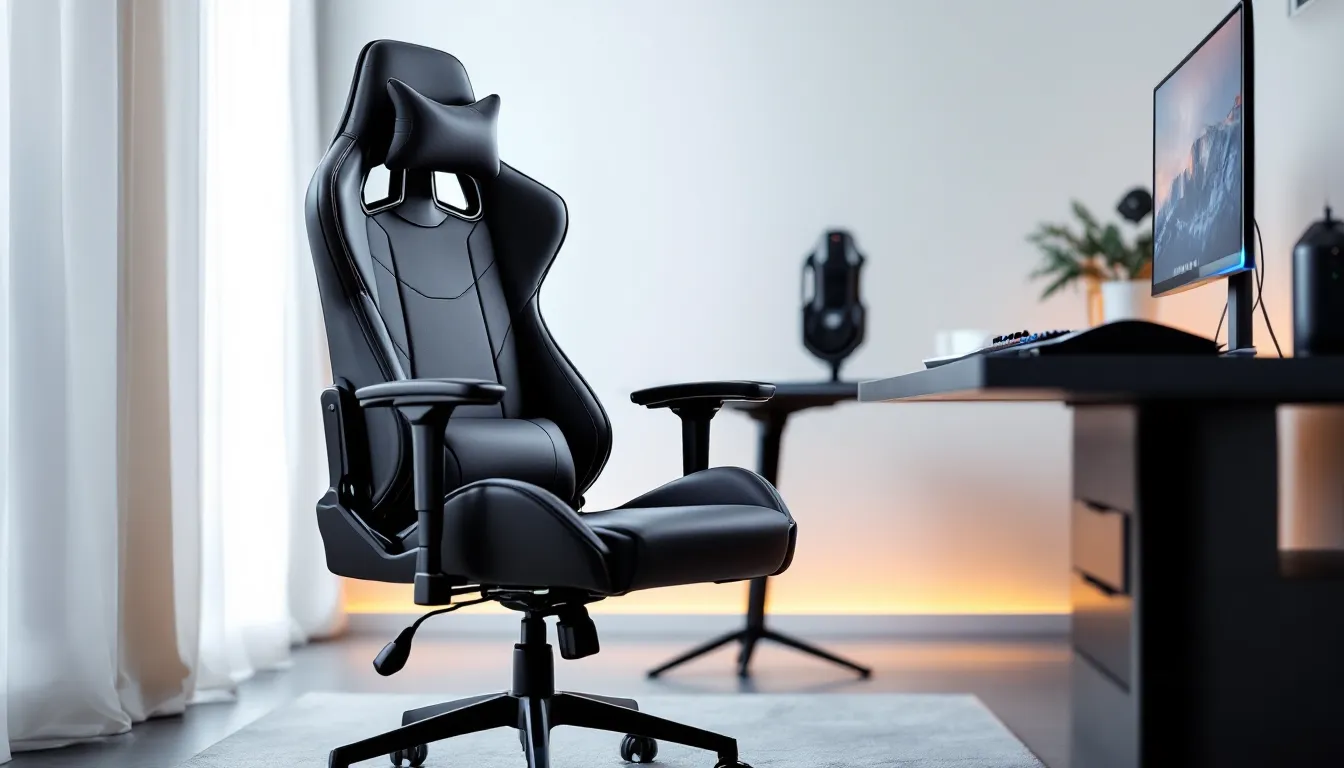
Gaming Chair Gray: The Ultimate Guide to Finding Your Perfect Neutral Throne in 2026
Gray gaming chairs have become the unexpected MVP of setup aesthetics this year. Walk into any serious streamer’s room or competitive player’s lair, and there’s a solid chance you’ll spot one. It’s not a coincidence, neutral tones are dominating the gaming gear landscape as players move away from the aggressive red-and-black racing aesthetic that’s been the default for years.
But picking a gray gaming chair isn’t just about matching your setup’s color palette. The right chair can mean the difference between grinding ranked matches comfortably for hours or nursing a sore lower back after a single session. With options ranging from budget-friendly fabric models to premium executive thrones, the gray gaming chair market is packed with choices, and pitfalls.
This guide breaks down everything gamers need to know: the features that actually matter, how to match your chair to your setup, common buying mistakes, and where to invest (or save) your money. Whether you’re building your first battlestation or upgrading from that old office chair, here’s how to find the perfect gray gaming chair.
Key Takeaways
- A gray gaming chair offers superior aesthetic versatility, pairing seamlessly with RGB lighting, monochrome setups, and modern desk configurations without dating itself like bright accent colors.
- Gray fabric chairs hide wear, dust, and spills better than black or white options, making them ideal for gamers logging 20+ hours weekly in competitive matches or extended streaming sessions.
- Prioritize adjustable lumbar support, 4D armrests, and proper seat depth matching your body size over flashy design features to avoid discomfort during marathon gaming sessions.
- The $200–$400 price range offers the best value for gray gaming chairs, delivering class 4 hydraulic cylinders, cold-cure foam, and 3D/4D armrest adjustments without premium mark-ups.
- Material choice matters: gray fabric chairs offer breathability and durability, PU leather provides easy cleaning but cracks within 2–3 years of heavy use, while mesh suits minimalist setups in hot climates.
- Racing-style gray chairs suit competitive players needing aggressive bolstering, executive-style chairs work for streamers and remote workers, and minimalist designs optimize on-camera aesthetics without sacrificing core ergonomics.
Why Gray Gaming Chairs Are Taking Over the Scene
The Aesthetic Advantage of Neutral Gaming Setups
Gray chairs work with practically everything. RGB lighting? Looks clean. Monochrome desk setup? Perfect match. Wood-grain desk with green plants? Still cohesive. That versatility is why content creators and streamers have gravitated toward neutral furniture, it doesn’t clash with shifting lighting schemes or seasonal setup refreshes.
The shift toward minimalist gaming spaces has accelerated this trend. Players are ditching the “gamer aesthetic” stereotype (neon everywhere, chaotic RGB vomit) for setups that look intentional on camera and feel calm during marathon sessions. Gray sits right in that sweet spot: clearly part of a gaming setup without screaming “I live in a Best Buy.”
Plus, gray pairs exceptionally well with popular desk materials like black laminate, white surfaces, or natural wood. It reads as modern without being sterile, and it doesn’t date itself the way bright accent colors can. A gray chair you buy in 2026 will still look current in 2028, can’t say the same for lime green or hot pink.
How Gray Chairs Hide Wear and Tear Better Than Other Colors
Here’s the practical angle nobody talks about enough: gray gaming chairs age gracefully. Darker grays especially are masters at hiding dust, minor scuffs, and the inevitable wear patterns that develop where your arms rest or your back leans.
Black chairs show every speck of dust and pet hair. White chairs turn beige around high-contact zones within months. Bright colors fade unevenly under desk lamp exposure. Gray? It conceals all of that remarkably well. For gamers who put in serious hours, think 4-6 hour sessions regularly, that durability in appearance matters.
Fabric gray chairs handle spills better visually than you’d expect, too. A water stain on charcoal fabric dries without leaving an obvious ring. Try that on light blue or tan upholstery and you’ll see the difference immediately. It’s not that gray chairs are invincible, you still need to clean them, but they’re far more forgiving between deep cleans.
Key Features to Look for in a Gray Gaming Chair
Ergonomic Design and Lumbar Support Essentials
Lumbar support isn’t negotiable, especially if you’re logging 20+ hours a week in your chair. Look for chairs with adjustable lumbar cushions or built-in support that curves to match your lower spine. The removable pillow approach (common in budget racing-style chairs) works if you can position it correctly, but integrated support systems hold their shape better long-term.
The backrest angle matters more than most buyers realize. A chair that reclines to at least 135 degrees lets you lean back during queue times or cutscenes without losing lumbar contact. Some premium models hit 155-180 degrees, which is overkill for gaming but nice if you use the chair for work calls or watching streams.
Seat depth is where a lot of chairs fail shorter or taller gamers. If you’re under 5’6″, too-deep seats will cut into the back of your knees. Over 6’2″? Shallow seats leave your thighs unsupported. Many gaming peripherals and accessories reviews now include size testing, but chair manufacturers still bury these specs, dig them up before buying.
Material Quality: Fabric, Leather, or Mesh?
Gray gaming chairs come in three main material categories, and each has trade-offs:
Fabric (breathable, affordable, hides wear)
- Best for: Long sessions in warm rooms
- Downsides: Harder to clean spills, absorbs odors over time
- Popular choice for budget and mid-range chairs
PU Leather (easy to wipe down, looks premium)
- Best for: Clean aesthetics, quick maintenance
- Downsides: Gets sticky in heat, cracks after 2-3 years of heavy use
- Common in racing-style chairs across all price tiers
Mesh (maximum breathability, modern look)
- Best for: Hot climates, minimalist setups
- Downsides: Less padding, can sag over time
- Usually found in executive or office-style gaming chairs
Gray fabric chairs in charcoal or heather tones tend to offer the best durability-to-comfort ratio for most gamers. PU leather looks sharper initially but expect visible cracking around armrests and seat edges by year three if you’re using it daily.
Adjustability Options That Actually Matter
Not all adjustments are created equal. Here’s what actually improves your experience:
4D armrests (up/down, forward/back, side-to-side, pivot) let you dial in perfect elbow support for both keyboard/mouse and controller grip. 1D or 2D armrests are compromises you’ll notice every session.
Seat height range should accommodate your desk height. Standard pneumatic cylinders handle most setups, but if you’re running a standing desk converter or an unusually tall/short desk, verify the min/max range.
Tilt tension control lets you adjust how much resistance the backrest gives when you lean back. Heavier gamers need more tension: lighter players need less to avoid that stuck-upright feeling.
Tilt lock at multiple angles (not just vertical) is clutch for switching between focused forward lean during competitive matches and relaxed recline during farming/grinding. Single-position locks are limiting.
Top Gray Gaming Chair Styles for Different Gamers
Racing-Style Gray Chairs for Competitive Players
Racing chairs remain the go-to for competitive FPS, MOBA, and fighting game players who want aggressive bolstering and a forward-leaning posture. Gray versions, especially two-tone combos like charcoal with black accents or light gray with white trim, deliver that performance look without the overwrought race car vibe.
These chairs typically feature high side bolsters on the backrest and seat to lock you in position during intense matches. That’s legitimately useful for maintaining consistent mouse aim or stick precision, but it does limit movement. If you shift positions frequently or use your chair for varied tasks beyond gaming, the bolstering can feel restrictive.
Most racing-style gray chairs in the $150-$350 range use PU leather and include removable lumbar and neck pillows. Premium models ($400+) upgrade to cold-cure foam, thicker padding, and steel frames rated for 300+ lbs. For competitive gaming setups, these chairs pair well with low-profile desks and forward monitor mounts.
Executive Gray Chairs for the Professional Gamer
Executive-style chairs look sharp on camera and transition seamlessly between gaming and work. Think Herman Miller Aeron vibes but at gaming chair prices. Gray mesh or leather executive chairs project a clean, mature aesthetic, ideal for streamers who don’t want their background screaming “teenage bedroom.”
These designs skip the aggressive bolstering in favor of wider seats and more refined curves. Padding is typically plusher, and armrests tend to be wider and better padded. The trade-off? Less lateral support during intense gaming, which most players don’t actually need unless they’re physically trying to dodge in their chair (we’ve all been there).
Executive gray chairs usually run $250-$600, with the sweet spot around $350 for solid build quality and mesh backing. They’re particularly popular among players who stream during evenings but use the same space for remote work during the day.
Minimalist Gray Designs for Streamers and Content Creators
Minimalist gray chairs strip away the bulk. No neck pillows jutting into frame, no chunky armrests blocking side camera angles, no branding logos plastered everywhere. Just clean lines, neutral tones, and intentional design.
These chairs often use slim-profile mesh backs, simple four-leg bases instead of traditional five-star wheels, or cantilever designs. They’re built for aesthetics first, but many actually deliver solid ergonomics, especially models in the $300-$500 range that borrow from high-end office chair design principles.
For streamers and content creators, minimalist gray chairs solve a common problem: visible furniture that doesn’t distract from the content. They photograph well, don’t create weird shadows, and complement popular streaming backgrounds like brick walls, LED panels, or simple black/white backdrops. Just verify lumbar support before committing, some ultra-minimalist designs sacrifice too much comfort for clean looks.
Matching Your Gray Gaming Chair to Your Setup
Coordinating with RGB Lighting and Gaming Peripherals
Gray is the ultimate RGB-friendly backdrop. Unlike black (which absorbs light and creates harsh contrasts) or white (which reflects and diffuses RGB into washed-out pastels), gray sits in the middle. RGB strips behind your desk, underglow on your mouse pad, or bias lighting behind monitors all pop against gray furniture without overwhelming the space.
Two-tone gray chairs, like charcoal seats with light gray backrests, add depth to setups with multiple RGB zones. The variation in shade creates visual interest without competing for attention with your lighting scheme. Many hardware setup guides now recommend neutral furniture specifically for this reason.
When matching peripherals, stick to consistent temperature in your grays. Cool-toned gray chairs (with blue undertones) pair best with white or blue RGB presets and silver/gunmetal accessories. Warm-toned grays (subtle brown undertones) work better with amber/orange RGB and black or bronze peripherals. Mixing temperatures creates a muddy, unintentional look.
Building a Monochrome or Minimalist Gaming Room
Monochrome setups, black, white, and gray, are having a moment, and a gray gaming chair is often the anchor piece. Start with the chair and build outward: gray acoustic panels on walls, black desk with white mousepad, gray storage bins or shelves.
The 60-30-10 rule works well here: 60% dominant gray (walls, chair, large furniture), 30% secondary neutral (usually black desk, monitors, PC case), 10% accent (white peripherals, single RGB color, or natural wood). This creates balance without veering into sterile office territory.
For minimalist rooms, less is more. A single gray chair, clean desk, and carefully chosen peripherals beat a cluttered space with “gaming aesthetic” overload. Cable management becomes critical, visible cable nests ruin minimalist setups faster than anything else. Use under-desk trays, velcro straps, and cable raceways to keep the clean look consistent from every camera angle.
Common Mistakes When Buying a Gray Gaming Chair
Ignoring Weight Capacity and Size Specifications
Manufacturers list weight capacities for a reason, and exceeding them doesn’t just void warranties, it accelerates wear on hydraulic cylinders, casters, and frame joints. Most gaming chairs max out between 250-330 lbs, but budget models often overstate capacity. If you’re near the listed limit, size up or look for chairs explicitly reinforced for higher weights.
Seat dimensions matter just as much. A 20-inch wide seat works for average builds, but broader or narrower frames will feel cramped or unsupported. Same with seat depth: measure from the back of your hips to the back of your knees while sitting. You want at least 2-3 inches of clearance to avoid circulation issues during long sessions.
Height ranges get overlooked constantly. If you’re 5’4″ or 6’5″, standard chairs won’t fit right. Short players end up with feet dangling or armrests too high. Tall players get knees above hips and inadequate thigh support. Check listed height recommendations, and when in doubt, email the manufacturer with your measurements.
Sacrificing Comfort for Aesthetics
A gorgeous gray chair that hurts after 90 minutes is a bad purchase, period. This mistake happens most often with ultra-budget chairs ($100-$150) that nail the look but use thin foam, weak lumbar support, and poor recline mechanisms.
Test the chair if possible, or at minimum verify return policies before buying. Sit in it for at least 30-60 minutes during the return window. Some chairs feel fine initially but develop pressure points or lack support in extended use. That “racing seat” firmness some chairs advertise? It’s often just inadequate padding marketed as a feature.
Also, don’t fall for chairs with excessive design flourishes, huge logos, unnecessary stitching patterns, or wings and bolsters so aggressive they limit movement. Those elements look cool in product photos but become annoyances in daily use. Prioritize functional design over flashy details every time.
Maintenance and Care Tips for Gray Gaming Chairs
Cleaning Fabric vs. Leather Gray Chairs
Fabric gray chairs require regular vacuuming, at least weekly if you’re gaming daily. Use the upholstery attachment to pull dust, crumbs, and hair from seams and crevices. For spot cleaning spills, blot (don’t rub) immediately with a damp microfiber cloth and mild detergent. Rubbing pushes the stain deeper into fibers.
Deep clean fabric chairs every 2-3 months with upholstery cleaner or a steam cleaner on low setting. Test any cleaner on a hidden area first, some fabrics discolor or stiffen with certain chemicals. Air dry completely before using the chair to avoid mildew in foam padding.
PU leather gray chairs are simpler: wipe down with a damp cloth weekly, focusing on armrests, headrest, and seat areas where oils from skin accumulate. Use leather conditioner every 3-4 months to slow cracking. Avoid harsh cleaners or alcohol-based wipes, they dry out the material and cause premature cracking.
For both types, keep the chair out of direct sunlight. UV exposure fades gray fabric unevenly and accelerates leather cracking. If your setup has a window, position the chair so it’s not in the sun path during peak hours.
Preventing Stains and Discoloration
Gray shows certain stains more than others. Oil-based stains (pizza grease, lotion) are the biggest threat, they darken gray fabric permanently if not treated quickly. Keep a small bottle of dish soap diluted in water nearby for immediate spot treatment.
Sweat stains develop over time where your back and arms make contact. Combat this by using a thin towel over the backrest during summer months or intense gaming sessions. Washable chair covers exist but often ruin the aesthetic: towels are easier to toss in the wash and less visually obtrusive.
For fabric chairs, spray with fabric protector (like Scotchgard) after deep cleaning. This creates a barrier against spills and makes future cleaning easier. Reapply every 4-6 months. Leather chairs benefit from UV protectant sprays if your setup gets any natural light.
Drink spills, especially energy drinks or soda, need immediate attention. Blot up liquid, then clean the area with appropriate cleaner for your material type. Sugar content in drinks attracts moisture and can lead to mold growth in padding if not fully cleaned and dried.
Budget Considerations: Finding Quality Gray Chairs at Every Price Point
Entry-Level Options Under $200
The under-$200 gray chair market is packed with options, but quality varies wildly. At this price, you’re typically getting basic PU leather or fabric, 2D armrests, and class 3 hydraulic cylinders (rated for moderate daily use). Frame quality is the biggest variable, some brands use thin metal that flexes under weight: others use reinforced steel that lasts years.
Solid entry-level picks focus on core features: decent lumbar support (even if it’s just a removable pillow), seat padding at least 3 inches thick, and weight capacity around 250 lbs. Skip chairs with excessive “gamer” branding or flashy design elements, you’re paying for aesthetics instead of build quality.
Expect 1-2 years of daily use from budget chairs before foam compression or mechanical issues develop. That’s not a knock on the category, it’s realistic expectation-setting. For casual gamers (10-15 hours/week), entry-level chairs can last longer. Competitive players putting in 30+ hours weekly will outpace these chairs faster.
Mid-Range Chairs Between $200-$400
The $200-$400 range is the sweet spot for most gamers. You get meaningful upgrades: class 4 hydraulic cylinders (higher weight limits, longer lifespan), 3D or 4D armrests, cold-cure foam that resists compression, and significantly better frame construction.
Gray chairs in this tier often include premium features like butterfly tilt mechanisms (smoother recline), multi-position tilt locks, and adjustable lumbar support systems. Material quality jumps too, PU leather is thicker and more durable, fabric options include breathable mesh and high-grade textiles.
This is where you start seeing brand differentiation. Established gaming chair manufacturers (Secretlab, Noblechairs, Corsair) offer better warranties (3-5 years) and actual customer service. Lesser-known brands might match specs on paper but fall short on quality control and support.
For most gamers, a $300-$350 gray chair from a reputable brand delivers 90% of what premium chairs offer at half the cost. The jump from $150 to $300 feels significant in daily use: the jump from $300 to $600 is noticeable but less dramatic.
Premium Gray Gaming Chairs Worth the Investment
Premium gray chairs ($400-$800+) target serious enthusiasts, full-time streamers, and anyone spending 40+ hours weekly in their chair. At this level, you’re paying for:
- Superior materials: Genuine leather, high-density mesh, aluminum frames
- Advanced ergonomics: Fully adjustable everything, memory foam, adaptive lumbar support
- Longevity: 5-10 year warranties, build quality that lasts 7+ years of heavy use
- Refined aesthetics: Cleaner designs, better stitching, no tacky branding
Herman Miller x Logitech Embody, Secretlab Titan Evo, and Noblechairs Hero are standout premium gray options in 2026. They’re expensive, but the cost-per-hour over a 5-7 year lifespan is competitive with replacing mid-range chairs every 2-3 years.
That said, premium chairs aren’t for everyone. If you’re gaming 10-15 hours weekly, you won’t extract enough value to justify the cost. But for streamers whose income depends on long sessions, or competitive players training seriously, the ergonomic and durability advantages pay for themselves in reduced fatigue and medical costs.
Conclusion
Gray gaming chairs have earned their spot at the top of setup priorities for good reason. They combine aesthetic versatility with practical advantages, hiding wear, complementing RGB setups, and aging gracefully through years of use. But the color is just the starting point.
The right chair depends on your play style, physical build, budget, and how you use your space. Competitive players benefit from racing-style bolstering. Streamers need camera-friendly profiles. Anyone logging marathon sessions needs to prioritize lumbar support and adjustability over looks.
Don’t rush the decision. Verify dimensions against your body measurements. Test chairs when possible. Read actual user reviews, not just spec sheets. And remember: the most expensive chair isn’t automatically the best, it’s the one that fits your body and supports your specific gaming habits.
Your setup is only as good as your comfort level during hour five of a session. Choose wisely, maintain it properly, and that gray gaming chair will be the reliable foundation for countless wins, grinds, and streams to come.